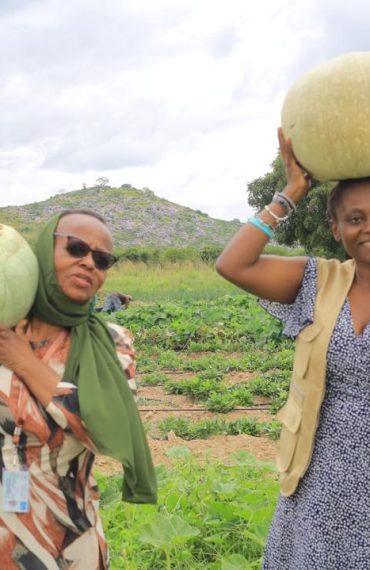
The ESFROMA Program Phase II is implemented in Tanzania and Uganda with the aim of improving
food security, income, climate resilience, and strengthening civil society for
20,000 small-scale farmer families. Funded by CISU through Organic Denmark,
the program is led by TOAM in 12 villages of Chamwino District (Mainland Tanzania) and by
UWAMWIMA across 10 districts in Unguja and Pemba (Zanzibar).
The program empowers farming families by strengthening grassroots learning structures, expanding market access for organic products,
and supporting community-led advocacy for sustainable and democratic rural development.
Areas of Focus / Key Outcomes:
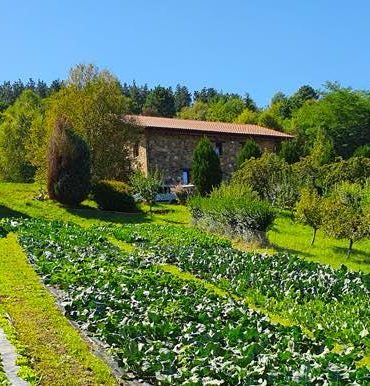
1. Improved Household Food Security through Organic Climate-Resilient Practices
Farmer families, organized in Farmer Families Learning Groups (FFLGs), experience a
25% increase in food security. This outcome is achieved through the adoption of organic farming practices,
climate adaptation strategies, and collaborative learning. FFLGs focus on on-farm, household-level training, making
the learning practical, inclusive, and context-specific.
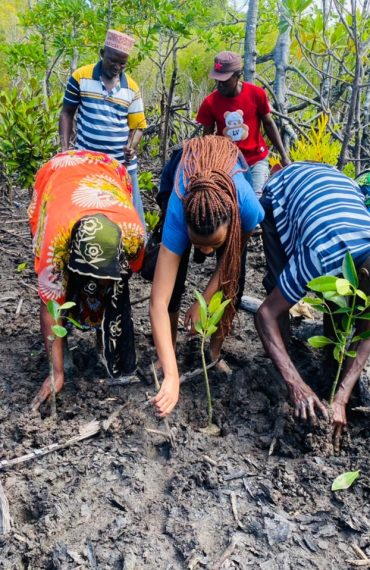
2. Strengthened Local Advocacy and Democratic Rural Institutions
FFLGs, Marketing Associations (MAs), and partners engage in advocacy for organic and climate-resilient food systems.
These activities build local government support and empower communities to influence agricultural and environmental
decisions. Partnerships are strengthened across local authorities, private sector, and civil society.
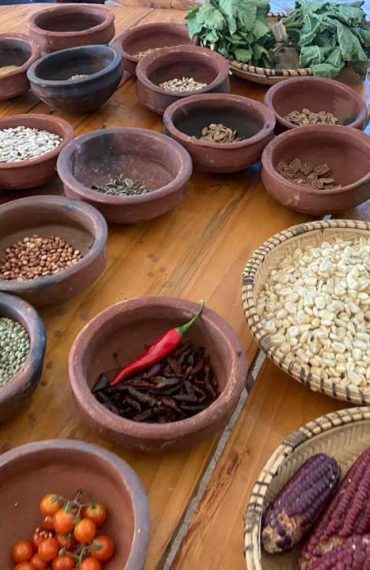
3. Market Access and Growth of Farmer-Owned Enterprises
The program supports 50 farmer-owned enterprises (FFLGs, cooperatives, MAs) to achieve a
30% increase in organic product sales. This is accomplished through value addition, branding, improved market
linkages, and compliance with organic standards such as PGS and the Kilimohai Organic Mark.
Gender equality and youth inclusion are cross-cutting priorities across FFLGs and other farmer organizations.
ESFROMA Phase II offers a holistic, inclusive pathway to resilient rural livelihoods by combining
organic agriculture with enterprise growth, grassroots advocacy, and decentralized knowledge sharing.
The core methodology—the FFLG approach—empowers farmers through peer-to-peer learning, household-level experimentation,
and collective innovation. This decentralized model ensures ownership and scalability, adapting to diverse community needs
and challenges.
In doing so, ESFROMA contributes not only to stronger household economies and food systems but also to the development of more
democratic rural institutions and a vibrant organic movement throughout the region.
ESFROMA
TOAM promotes and supports market access for organic commodities to premium market outlets. This involves the establishment of connections between suppliers and consumers, encouraging aggregation of smallholder producers and processors to meet market demand requirements and economies of scale. TOAM takes custodianship of branding and certification ensuring visibility, recognition, and credibility of organic commodities in the market
Services:Easy HarvestingFarmer:Mike HardsonDuration:4.5 MonthsLocation:Broklyn, New Your