HomeOurWorksPolicies and strategies reviews and development
Policies and strategies reviews and development
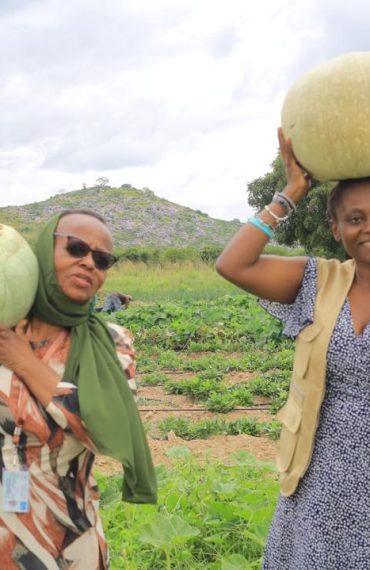
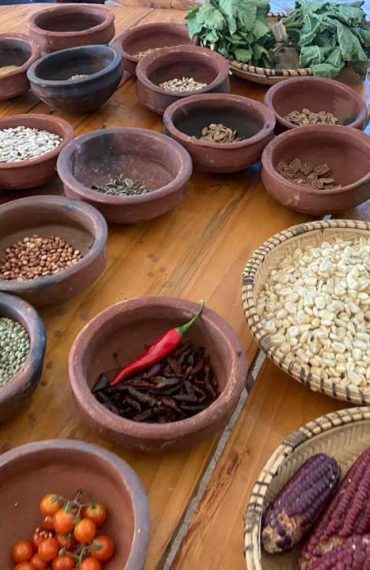
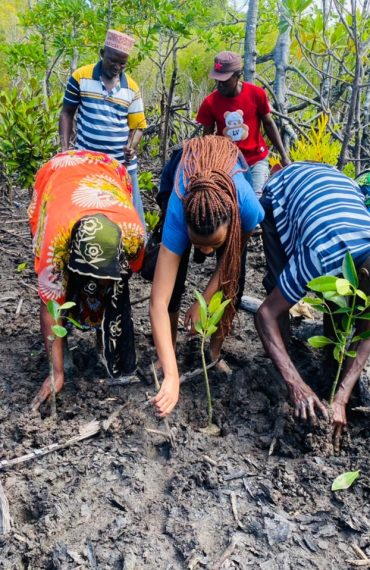
Increased adoption of Ecological Organic Agriculture Practices among actors in the targeted commodity value chains Building the capacity and skills of producers (farmers, fishermen, livestock and beekeepers), processors, traders, trainers, facilitators, and technical staff is a key factor for building a sustainable organic agriculture sector. Knowledge of organic farming principles, standards and quality management systems and technical know-how on production and marketing practices are essential to TOAM members. TOAM will engage competent trainers, facilitators and technical staff to provide high-quality training courses on organic production, processing and marketing. TOAM will accelerate the adoption of EOA practices through capacity-building programs focused on cost-benefit analysis demonstrated through business planning, and the introduction of best practices that address the practical needs of members. Capacity building programs will be designed based on training needs assessment for members. Interventions for achieving this objective will be the following: i. Provide support services on market analysis and business plans for EOA value chains ii. Strengthen the government extension system on the promotion of EOA practices and complement the technical capacity iii. Facilitate farmers knowledge exchange platforms for the adoption of best practices on EOA iv. Facilitate EOA actors on compliance with quality standards
Challenges
Nemo enim ipsam voluptatem quia voluptas.
Accusamus et iusto odio dignissimos ducimus.
Nam liberto tempore, cum soluta nobis est elidend.
Accusamus et iusto odio dignissimos ducimus.
When an unknown printer took a galley of type and scrambled it to make a type specimen book. It has survived not only five centuries, but also the leap into electronic typesetting, remaining essentially unchanged.
Policies and strategies reviews and development
Increased adoption of Ecological Organic Agriculture Practices among actors in the targeted commodity value chains Building the capacity and skills of producers (farmers, fishermen, livestock and beekeepers), processors, traders, trainers, facilitators, and technical staff is a key factor for building a sustainable organic agriculture sector. Knowledge of organic farming principles, standards and quality management systems and technical know-how on production and marketing practices are essential to TOAM members. TOAM will engage competent trainers, facilitators and technical staff to provide high-quality training courses on organic production, processing and marketing. TOAM will accelerate the adoption of EOA practices through capacity-building programs focused on cost-benefit analysis demonstrated through business planning, and the introduction of best practices that address the practical needs of members. Capacity building programs will be designed based on training needs assessment for members. Interventions for achieving this objective will be the following: i. Provide support services on market analysis and business plans for EOA value chains ii. Strengthen the government extension system on the promotion of EOA practices and complement the technical capacity iii. Facilitate farmers knowledge exchange platforms for the adoption of best practices on EOA iv. Facilitate EOA actors on compliance with quality standards
Challenges
Nemo enim ipsam voluptatem quia voluptas.
Accusamus et iusto odio dignissimos ducimus.
Nam liberto tempore, cum soluta nobis est elidend.
Accusamus et iusto odio dignissimos ducimus.
When an unknown printer took a galley of type and scrambled it to make a type specimen book. It has survived not only five centuries, but also the leap into electronic typesetting, remaining essentially unchanged.
Services:Organic SolutionsFarmer:Mike HardsonDuration:4.5 MonthsLocation:Broklyn, New Your